11 Aug 2026
Reward Chains Across Mobile Gaming Platforms: Connecting Instant Payouts to Progressive Jackpot Systems
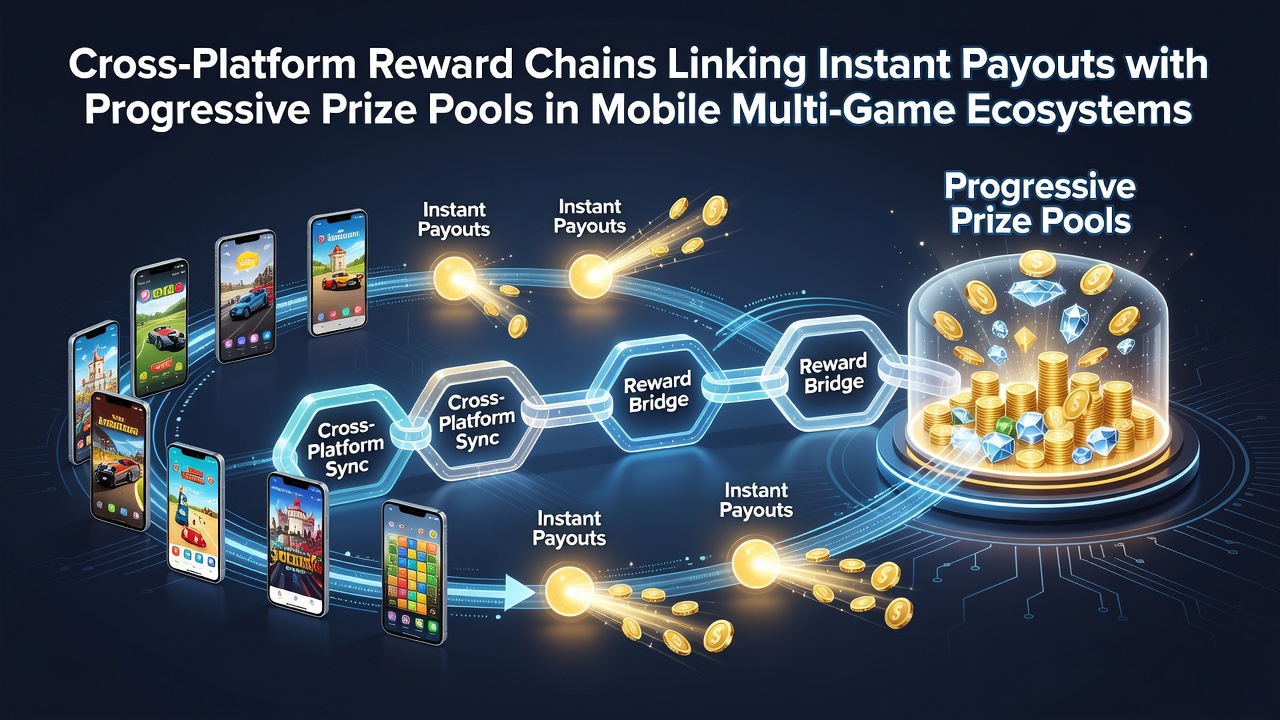
Mobile multi-game ecosystems have expanded rapidly as developers integrate reward chains that tie instant payouts directly to progressive prize pools spanning slots, live dealer tables, and sports betting modules. These systems allow player activity in one title to contribute to shared jackpot growth while triggering immediate credit transfers across platforms. Data from industry reports indicate that such linkages first gained traction in 2023 when several operators began testing unified player accounts that track contributions in real time.
How Reward Chains Operate in Practice
Each completed spin, hand, or wager feeds a central ledger that calculates both individual payouts and collective pool increments. When a player receives an instant payout from a slots round, the system simultaneously logs a portion of that activity toward the progressive pool shared with live dealer and sportsbook sections. Observers note that this dual tracking reduces latency because the same transaction record updates multiple balances without requiring separate confirmations. In August 2026 several platforms reported processing over 12 million such cross-linked transactions daily, according to figures released by the American Gaming Association.
Developers achieve the connection through standardized APIs that push payout data into a progressive engine running on cloud infrastructure. The engine applies multiplier rules based on game type and stake level, then distributes the updated pool value back to all connected clients within seconds. Researchers at the University of Nevada Gaming Innovation Lab documented similar architectures in a 2025 white paper that examined latency under peak loads.
Technical Components Supporting Instant Transfers
Instant payout functionality relies on pre-funded wallet segments that release credits the moment a qualifying outcome registers. Progressive pool updates occur in parallel through event-driven messaging queues that broadcast new totals to every active session. Those who manage these systems explain that the separation of payout and pool logic prevents bottlenecks even when thousands of users trigger rewards simultaneously. Security protocols wrap each transaction in encrypted tokens that verify both the source game and the destination pool before any balance changes finalize.
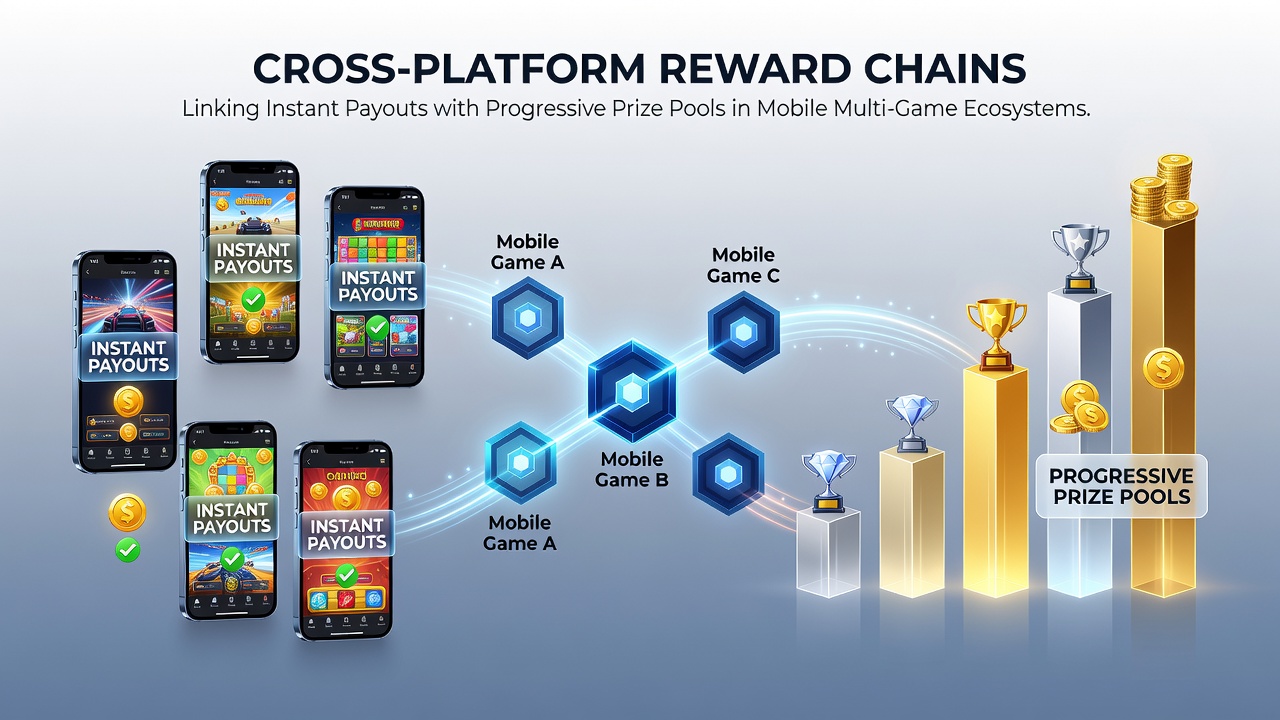
One major platform implemented a hybrid model in early 2025 that combined on-device computation for initial win verification with server-side reconciliation for pool contributions. This approach cut average payout time to under two seconds while maintaining pool accuracy across regions. The same operator later expanded the chain to include esports betting modules, demonstrating how the architecture scales when new verticals join the ecosystem.
Player Journey Through Linked Ecosystems
A user who starts on a mobile slots title may receive an instant credit after a bonus round and notice that the same activity has nudged the live tables jackpot higher. Switching to the sportsbook section within the same app then shows the updated pool value alongside fresh betting options. The seamless transition occurs because the reward chain maintains a persistent player profile that aggregates contributions regardless of the active module. Case studies compiled by the European Gaming and Betting Association in 2024 highlighted similar patterns across operators in multiple jurisdictions.
Analytics dashboards available to platform administrators display heat maps of contribution sources and payout destinations. These visualizations help identify which game types feed the largest pool increases and which titles trigger the most frequent instant rewards. The resulting insights guide decisions about promotional scheduling and pool seeding strategies without altering the underlying chain mechanics.
Regulatory and Compliance Considerations
Regulators in several jurisdictions require clear separation between instant payout ledgers and progressive pool calculations to ensure transparency. Operators must submit periodic reports showing how activity in one vertical affects rewards in others. Compliance teams use automated audit trails generated by the reward chain itself to demonstrate that pool increments remain proportional to overall handle. In regions where real-time reporting is mandatory, the same API infrastructure that handles player transactions also streams anonymized data to oversight portals.
Conclusion
Cross-platform reward chains that link instant payouts with progressive prize pools have become a standard feature in mobile multi-game ecosystems. The architecture supports simultaneous balance updates, real-time pool growth, and verified transactions across slots, live dealer, and sportsbook modules. Continued refinement of these systems centers on reducing latency further, expanding compatibility with emerging verticals, and meeting evolving compliance standards across different regulatory environments.