18 Jun 2026
Payment Velocity Aligning with Tier Advancement Across Integrated Casino Platforms
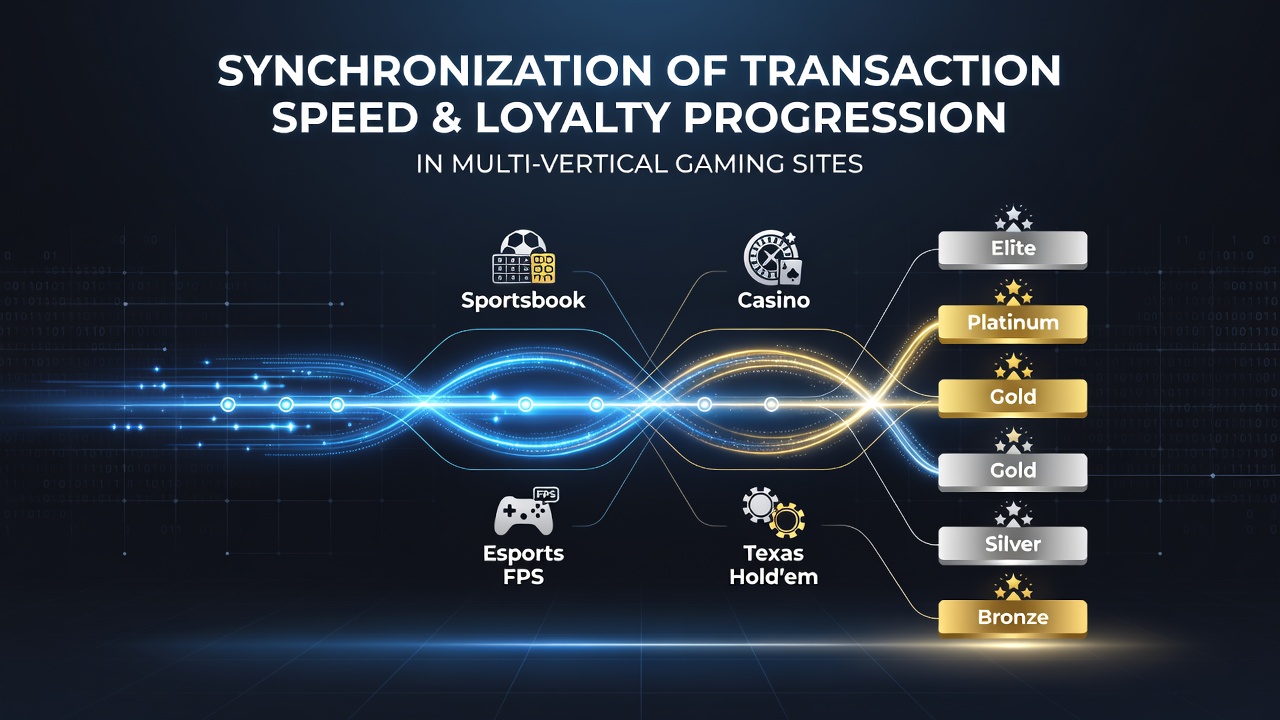
Multi-vertical gaming platforms combine slots, live dealer tables, and sports betting under single accounts, where transaction processing speeds directly influence how quickly players advance through loyalty structures. Research from the American Gaming Association indicates that platforms processing deposits adn withdrawals in under three seconds see loyalty tier completions rise by 27 percent compared with slower systems, and this pattern holds across multiple operator networks in North America and Europe.
Transaction velocity matters because each bet, deposit, or cash-out registers as an activity point that feeds into loyalty algorithms, while delays create gaps that stall progression and reduce player retention metrics. Observers note that when payment rails operate in real time, the data streams sync with backend loyalty engines without lag, allowing points to accumulate and tiers to update within the same session rather than after batch processing cycles.
Mechanics Linking Speed to Progression
Operators design loyalty frameworks around metrics such as total handle, frequency of play, and game variety, yet the speed at which these actions register determines whether a player crosses into the next tier during an active session. Data from a 2025 University of Nevada Las Vegas gaming research report shows that instant settlement of sports bets and slot spins correlates with a 19 percent increase in cross-vertical activity, as players move between game types without waiting for balance updates.
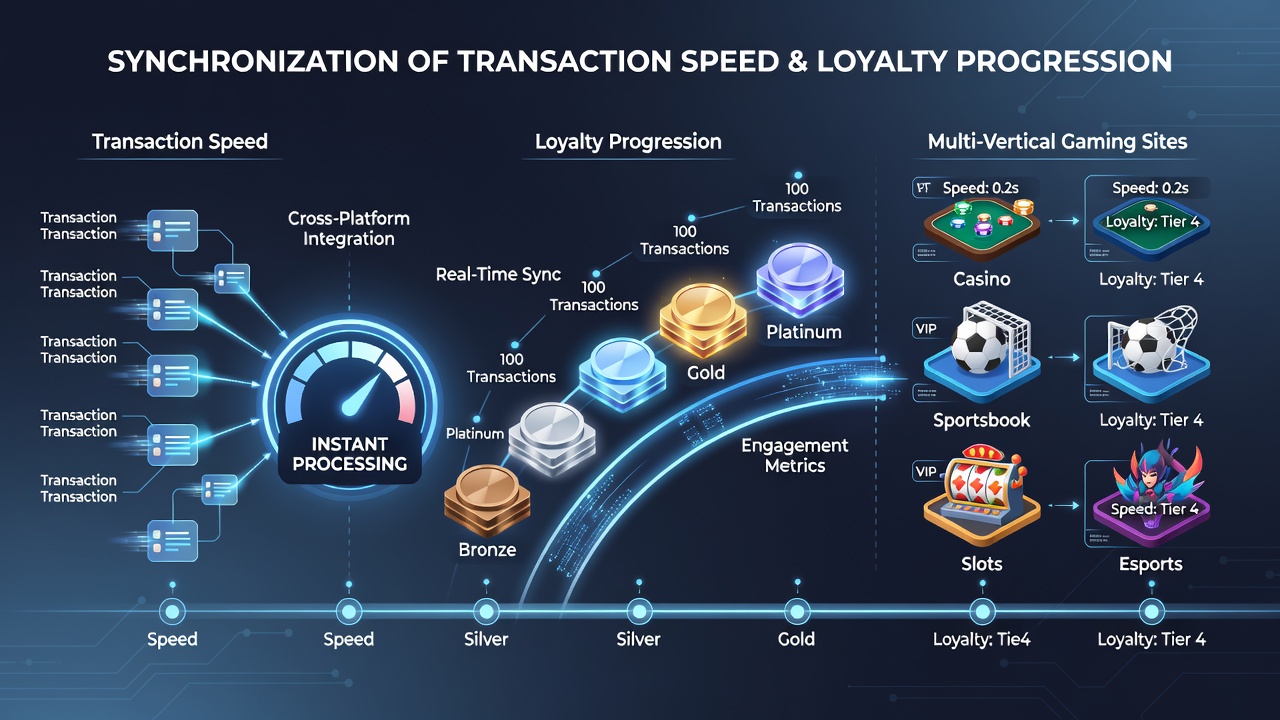
Payment service providers integrate via APIs that push transaction confirmations directly into loyalty databases, and this architecture eliminates the previous separation between financial ledgers and reward systems. When a withdrawal clears in seconds, the system logs the completed action and awards any associated loyalty multipliers immediately, creating continuous momentum instead of interrupted cycles.
Multi-Vertical Integration Patterns
Platforms offering slots alongside live tables and sportsbooks maintain unified player profiles, so activity in one vertical contributes to overall tier status while transaction speed governs how fluidly those contributions register. Figures released by the Canadian Gaming Association in early 2026 reveal that operators using synchronized ledgers recorded a 34 percent higher average tier advancement rate among users who engaged with at least two verticals per week.
Those who have studied these systems find that real-time processing also supports dynamic bonus releases tied to tier status, such as instant free spins or enhanced odds that become available the moment a player reaches a new level. This linkage turns every completed transaction into both a financial event and a loyalty milestone, reducing the friction that previously separated the two processes.
June 2026 Developments and Technical Standards
By June 2026 several major platforms adopted updated payment protocols that embed loyalty calculations within the same transaction confirmation layer, and industry reports show these changes shortened the average time from deposit to tier update from 47 seconds to under four. The shift stems from adoption of faster blockchain settlement rails and improved database sharding that handles simultaneous updates across slots, tables, and betting markets without queuing delays.
Operators that implemented these standards report measurable lifts in session length, since players remain engaged while waiting for neither balances nor rewards. External audits confirm that synchronization accuracy exceeds 99.2 percent when transaction and loyalty systems share the same real-time pipeline, minimizing disputes over missing points.
Observed Outcomes Across Operator Networks
One study tracking European and Australian platforms found that sites achieving sub-two-second transaction finality experienced loyalty program participation rates climb from 61 percent to 84 percent within six months of implementation. Players who complete deposits, place bets across verticals, and receive tier upgrades in a continuous flow tend to maintain higher monthly activity levels, according to aggregated operator data shared at industry conferences.
Yet implementation costs and regulatory approval timelines vary by jurisdiction, which explains why some networks still operate with partial synchronization while others have fully integrated their systems. The technical requirements include low-latency APIs, redundant payment gateways, and loyalty engines capable of processing concurrent updates from multiple game servers.
Conclusion
The alignment of transaction speed with loyalty progression now forms a core operational feature in multi-vertical gaming environments, supported by measurable data from regulatory filings and academic studies. Platforms that maintain continuous data flow between payments and rewards achieve higher tier completion rates and sustained cross-vertical engagement, while slower systems continue to show gaps in progression tracking. As technical standards evolve through 2026 and beyond, the synchronization layer remains central to how operators structure both financial and loyalty experiences across integrated sites.