21 May 2026
Payment Channels Bridging Loyalty Tiers to Slots, Live Tables, Sports Betting and Collective Prize Pools
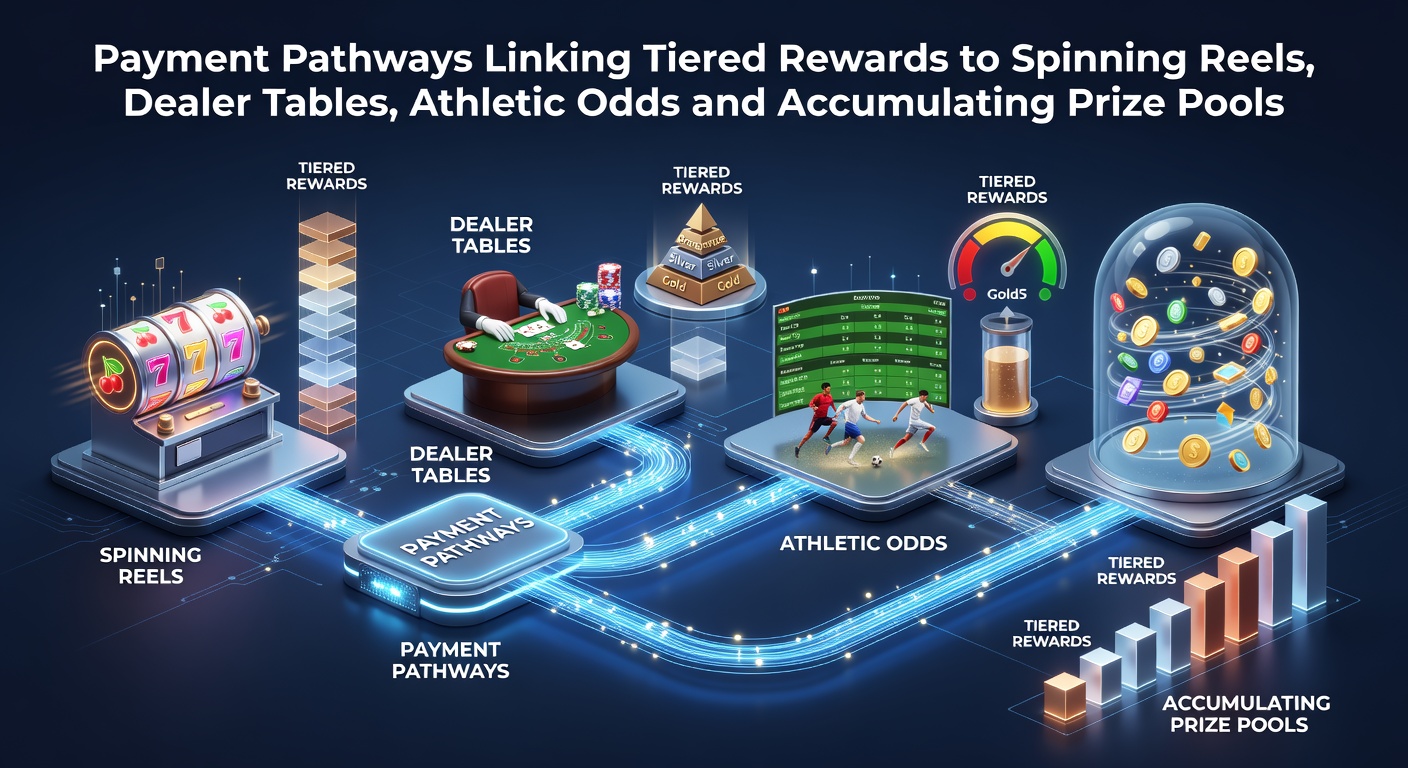
Payment systems in modern gaming environments create direct routes between loyalty programs and multiple forms of play, allowing players to move funds and accumulate points across spinning reels, dealer tables, athletic odds and shared prize pools without separate accounts for each category. These channels rely on unified wallets and real-time transaction processing that convert activity into tier credits while routing portions of wagers into progressive accumulations. Data from industry analyses show that platforms using such integrated payments record higher cross-vertical engagement rates because players see immediate reward feedback regardless of whether they choose slots, live dealer sessions or sports markets.
Mechanics of Tiered Reward Integration
Loyalty structures assign points based on wager volume and game type, then feed those points through payment gateways that update tier status in a single database. When a player deposits funds, the system applies bonus multipliers according to current tier level and directs a percentage of each bet toward both personal reward balances and communal jackpot pools. Observers note that this setup reduces friction because the same payment rail handles deposits, withdrawals and point conversions, eliminating the need for manual transfers between verticals.
Payment processors employ APIs that communicate with game servers to log every spin, hand or wager in real time, so tier progress appears instantly on player dashboards. Studies from research institutions indicate that seamless tracking correlates with longer session durations across different game categories, since participants receive continuous visual confirmation of their advancing status.
Links to Spinning Reels and Table Games
Spinning reels contribute to tier advancement through coin-in tracking that payment systems capture at the moment of each bet, while live dealer tables feed similar data through card and chip recognition software linked to the same reward engine. Players who move from slots to blackjack tables see their accumulated points apply automatically to unlock higher cashback rates or free spin allocations without additional verification steps. This continuity stems from payment pathways that treat all wagers as equivalent inputs to a central loyalty ledger.
Connections to Athletic Odds and Jackpot Pools
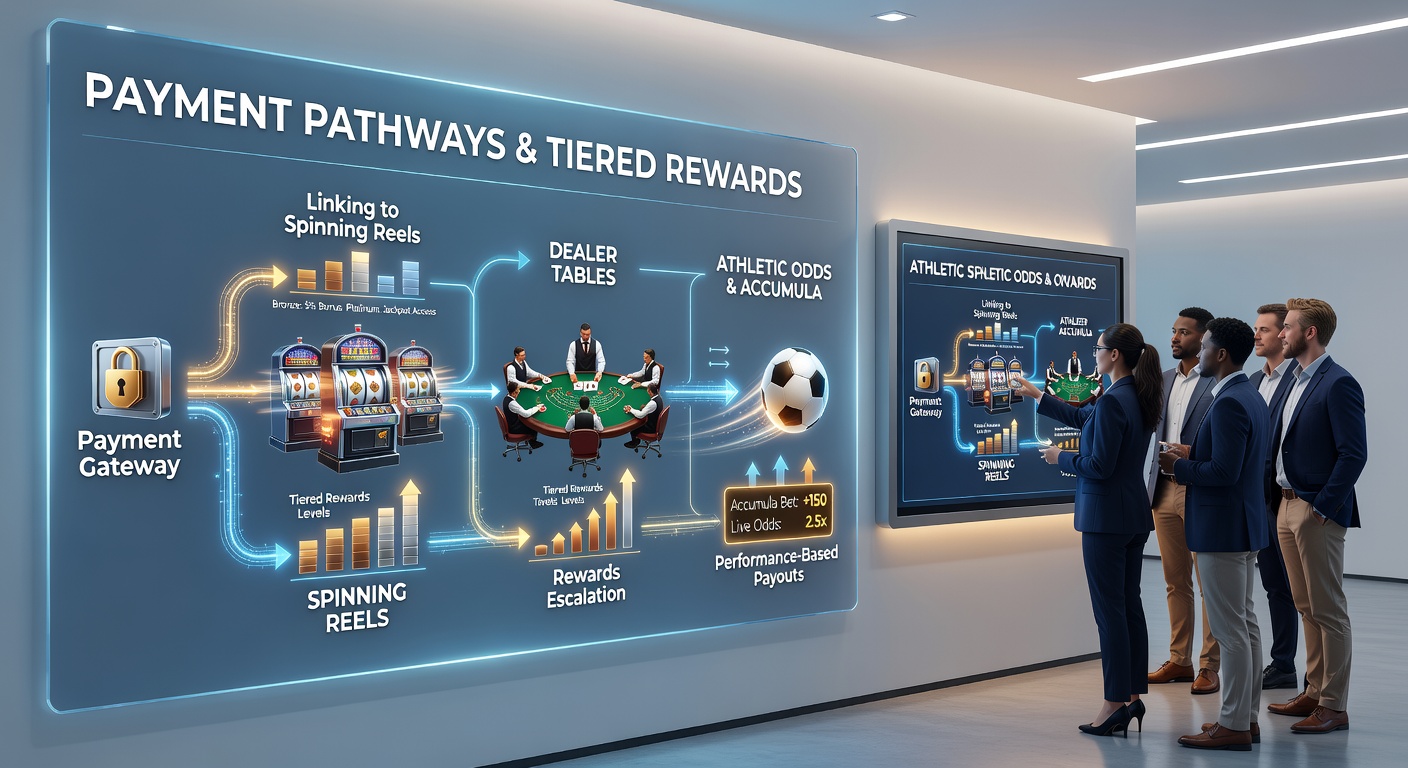
Sports betting markets integrate through the same payment infrastructure, where odds wagers generate tier points at rates calibrated to risk level and payout potential. A portion of each sports stake routes directly into accumulating prize pools that grow across both casino and sportsbook activity, creating shared jackpots that any qualifying player can trigger. Reports from the European Gaming and Betting Association highlight how these shared pools increase retention when participants recognize that activity in one area supports prize growth available to all verticals.
Payment rails also manage promotional funding, releasing tier-based bonuses that can be used interchangeably on reels, tables or athletic events. When pools reach certain thresholds, automated notifications trigger through the same interface that displays current tier benefits, keeping players informed of both personal progress and collective prize status.
Developments Expected by May 2026
Regulatory frameworks in several jurisdictions prepare updated technical standards for payment security and data sharing that operators must adopt by May 2026. These standards focus on encryption protocols and audit trails that verify accurate allocation of wagers to both loyalty tiers and jackpot contributions. Industry organizations anticipate that compliance will require upgrades to existing gateway software, yet the core architecture linking rewards to multiple game types remains intact because the changes target transparency rather than functionality.
One study revealed that platforms already operating unified payment systems encounter fewer compliance adjustments because their transaction logs already separate personal rewards from communal pool contributions in auditable formats. Those adjustments scheduled for May 2026 therefore build upon existing infrastructure instead of requiring complete redesigns.
Conclusion
Payment pathways that connect tiered rewards across slots, dealer tables, sports odds and accumulating prize pools rely on unified transaction processing and real-time data exchange to maintain continuity for participants. Evidence from regulatory updates and industry reports shows continued expansion of these integrated systems as operators align with forthcoming standards by May 2026. The structure supports consistent reward delivery while directing portions of activity into shared jackpots that span different forms of play.