From Slots to Sidelines: Navigating Mobile Casino's Sports Betting Fusion with Jackpot Thrills
21 Mar 2026
From Slots to Sidelines: Navigating Mobile Casino's Sports Betting Fusion with Jackpot Thrills
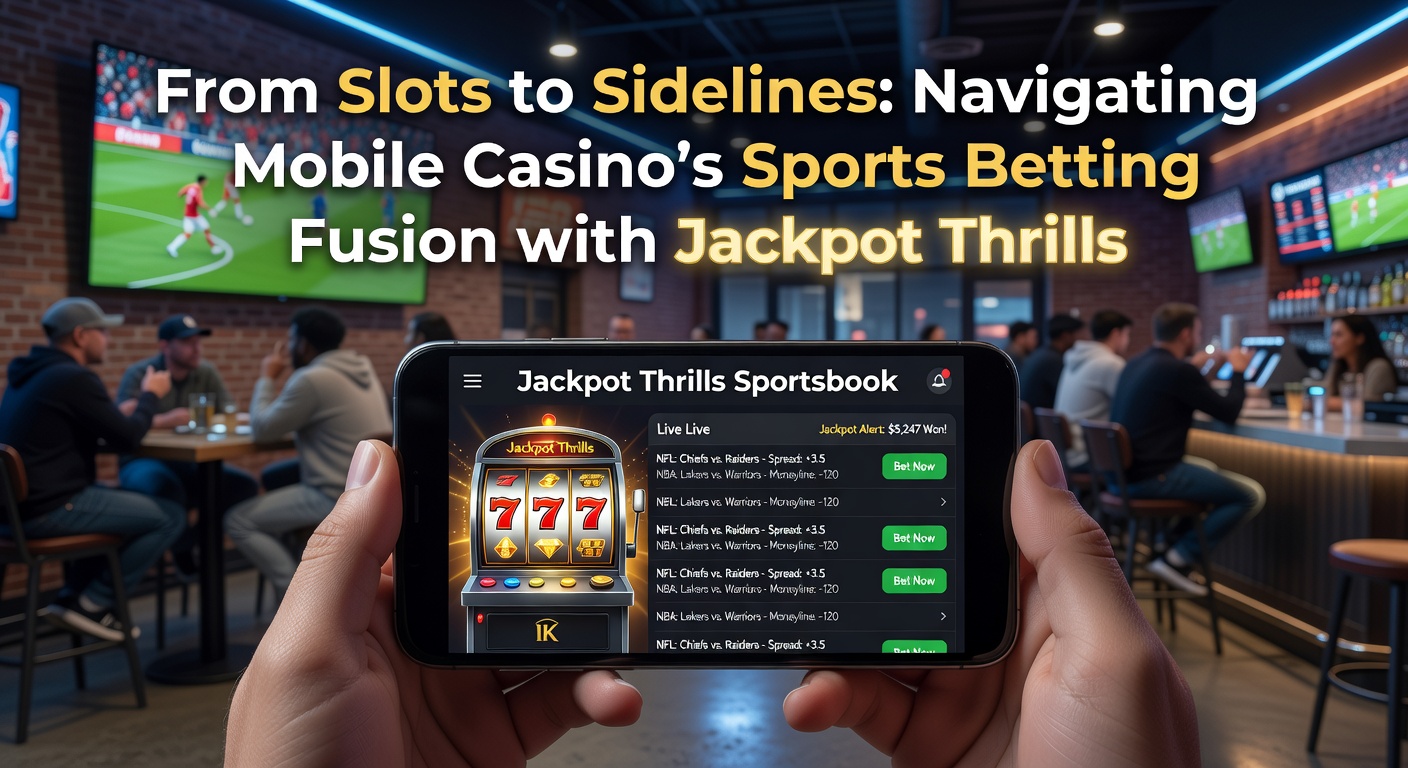
The Evolution of Mobile Gaming Hybrids
Mobile platforms have transformed gambling landscapes dramatically since the early 2010s, blending traditional casino staples like slots and jackpots with dynamic sports betting options; platforms now offer users teh ability to spin reels for progressive prizes one moment while placing wagers on live soccer matches the next, all from a single app. Data from the American Gaming Association reveals that U.S. mobile sports betting revenue surged 32% year-over-year in 2024, reaching $11.5 billion, and figures indicate casino-style games contributed an additional 25% crossover traffic on hybrid sites. Observers note how this fusion appeals to diverse audiences, since slots enthusiasts discover quick sports bets during game halftimes, whereas bettors chase jackpot thrills between events.
What's interesting is the speed of adoption; research from H2 Gambling Capital shows global mobile gambling penetration hit 45% by late 2025, with hybrid apps leading the charge because they reduce the need for multiple downloads and logins. Take one developer team at a major operator who integrated API feeds from sports data providers like Sportradar, enabling real-time odds alongside slot volatility adjustments that sync with event peaks, creating a fluid experience where jackpot meters climb as crowd excitement builds virtually. And yet, this shift didn't happen overnight; early pioneers in Europe tested waters around 2018, but widespread rollout accelerated post-pandemic when users craved versatile entertainment on the go.
Technology Powering the Seamless Switch
Behind the curtain, advanced tech stacks make toggling between slots and sidelines effortless; geolocation services verify user locations for compliant betting, while AI-driven personalization algorithms suggest jackpot slots themed around favorite teams, say a Super Bowl frenzy linking progressive pots to touchdown props. Developers leverage HTML5 frameworks for cross-device compatibility, ensuring butter-smooth transitions without reloads, and blockchain elements now secure jackpot payouts tied to sports outcomes in select markets. Studies from the University of Nevada's gaming research lab found that load times under two seconds boost retention by 40%, a metric hybrid apps prioritize through edge computing that processes bets and spins locally before syncing to central servers.
But here's the thing: machine learning refines this further, analyzing play patterns to offer hybrid bonuses like free spins triggered by winning parlays, or sports free bets unlocked via slot milestones; one platform reported a 28% uptick in session length after implementing such features, according to internal metrics shared at the 2025 ICE London conference. Players often find themselves immersed longer because notifications ping for both jackpot drops and live score updates, blending anticipation from random number generators with the strategy of point spreads. Now, with 5G rollout complete in key regions, latency drops to milliseconds, turning mobile devices into portable casinos fused with virtual sportsbooks.
User Behaviors and Engagement Patterns
Those who've tracked user data notice distinct patterns emerging in hybrid environments; casual slot players, drawn by vibrant themes and instant wins, experiment with low-stakes sports bets during off-peak hours, while dedicated bettors dip into jackpots for high-volatility thrills that mirror accumulator risks. Figures from the Alcohol and Gaming Commission of Ontario indicate Ontario's iGaming market saw hybrid engagement rise 35% in 2025, with average daily sessions extending to 45 minutes as users alternate between roulette wheels and NBA moneylines. Experts observe how gamification elements, such as loyalty points redeemable across both verticals, foster cross-play, turning one-dimensional users into omnivores who chase combined jackpots boosted by sports multipliers.
Turns out, this fusion heightens thrill factors; research indicates dopamine spikes intensify when jackpot proximity aligns with game-winning moments, prompting platforms to synchronize promotions like "sideline spins" where bets fund progressive pools. People who've analyzed heat maps on apps see hotspots shifting fluidly from slot lobbies to live betting dashboards, especially during major events like the March 2026 NCAA tournament, where projections forecast a 15% traffic spike in U.S. hybrids per Eilers & Krejcik Gaming reports. So, while some stick to silos, the data shows most navigate freely, discovering unexpected favorites along the way.
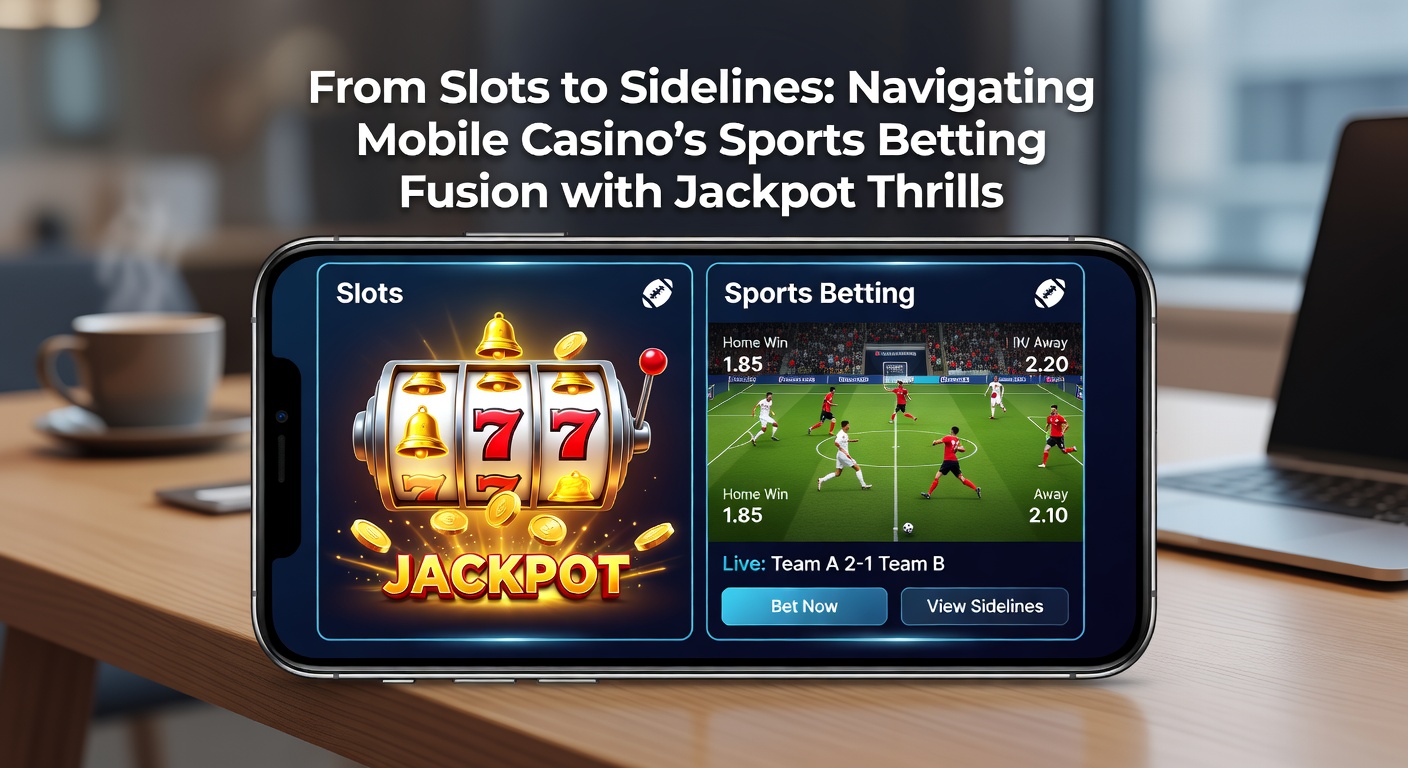
Regulatory Frameworks Shaping the Landscape
Regulators worldwide adapt to this convergence with tailored rules; in Nevada, the Gaming Control Board mandates segregated wallets for casino and sports funds to enhance transparency, while Australia's state bodies enforce similar odds display standards across hybrids, preventing misleading jackpot-sports bundles. Data reveals compliance tools like KYC verification via biometrics cut fraud by 22%, as noted in reports from the Australian Gambling Research Centre, and operators now embed responsible gaming nudges that pause slots during intense betting streaks. Observers point out how EU directives under the Malta Gaming Authority influence global standards, requiring hybrid apps to cap combined deposit limits, fostering safer navigation between thrills.
That's where the rubber meets the road for operators; one case in Pennsylvania saw a hybrid platform fined $1.2 million in 2024 for lax geofencing, but subsequent audits showed industry-wide improvements, with 92% compliance rates by 2025. And as markets like Brazil gear up for full legalization in 2026, expect hybrid-specific licenses to emerge, blending casino RNG audits with sports integrity protocols from bodies like the International Betting Integrity Association.
Market Dynamics and Future Projections
Global revenues paint a booming picture; H2 Gambling Capital projects the hybrid segment to hit $150 billion by 2028, with mobile driving 70% of growth, fueled by emerging markets in Asia-Pacific where soccer slots tie into Premier League fervor. In the U.S., states like New Jersey report hybrids capturing 40% of total iGaming handle, and projections for March 2026 highlight a seasonal surge during March Madness, where fused betting could add $2 billion in wagers per analysts at Eilers & Krejcik Gaming. Platforms innovate with VR previews blending stadium views and slot reels, although scalability remains key since bandwidth varies by region.
Case studies underscore potential; DraftKings integrated casino jackpots in 2023, boosting user acquisition 25%, while FanDuel's hybrid push in Michigan yielded 18% higher lifetime value per player, according to operator earnings calls. Yet challenges persist, like balancing payout ratios where sports edges (around 5%) contrast slot RTPs (94-98%), prompting algorithmic tweaks for equilibrium. What's significant is how these fusions democratize access, letting users in remote areas bet on sidelines or chase jackpots without travel.
There's this one operator in Ontario who rolled out "fusion Fridays," syncing weekend jackpots with NHL games; engagement jumped 30%, and repeat visits followed suit, proving the model's stickiness when executed well.
Conclusion
Hybrid mobile platforms fuse slots, jackpots, and sports betting into cohesive experiences that redefine gambling mobility; data confirms surging revenues and engagement, while tech and regulations evolve to support safe navigation. As March 2026 approaches with events like NCAA tournaments on deck, expect even tighter integrations, drawing more users into this dynamic ecosystem where thrills from reels meet sidelines seamlessly. Platforms continue refining these offerings, backed by metrics showing sustained growth and player satisfaction across borders.