6 Jun 2026
Charting Pathways Where Loyalty Layers Bind Reel Mechanics, Dealer Sessions, and Athletic Markets Through Portable Transaction Flows
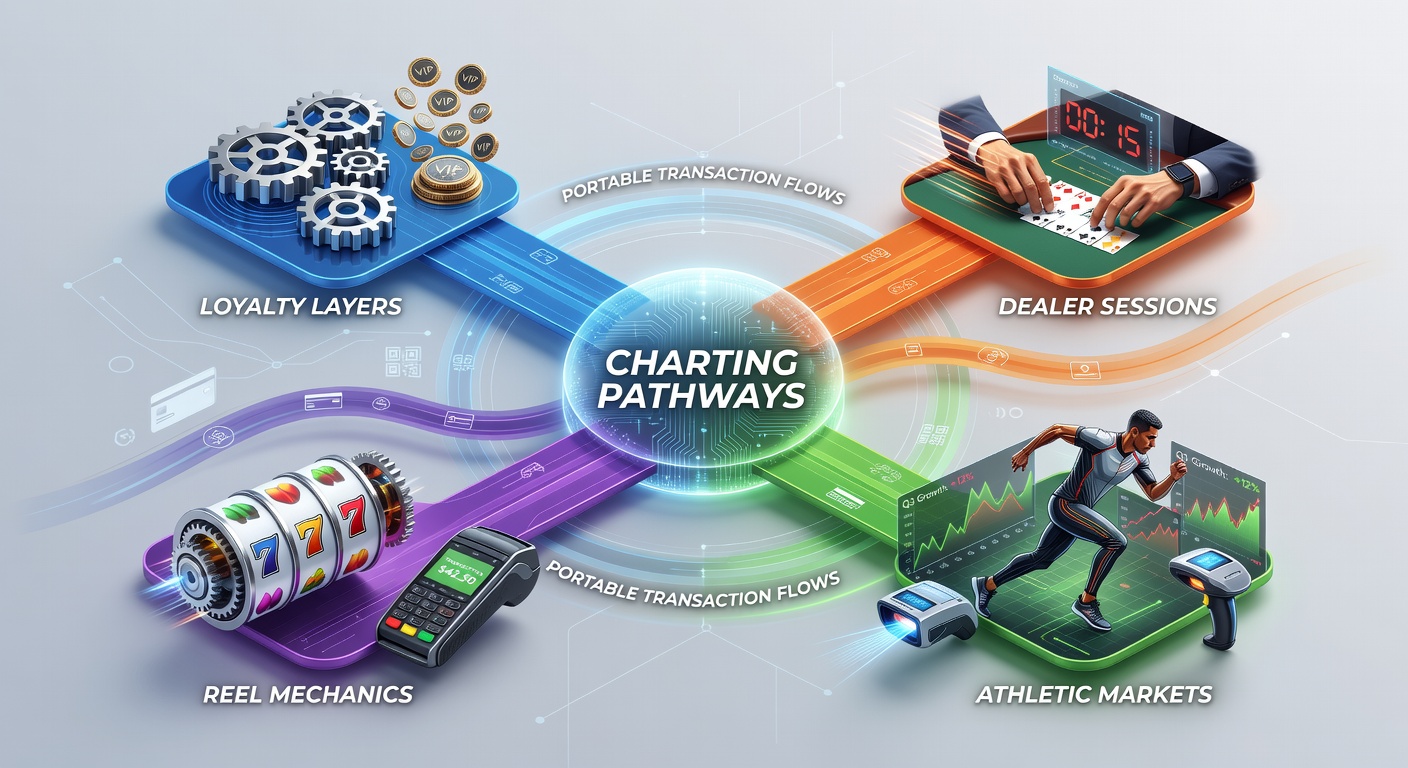
Operators build loyalty structures that connect reel mechanics in slot games with dealer sessions in live casino environments and athletic markets in sports betting through systems that process portable transaction flows in real time, and these frameworks allow accumulated points or tier credits to transfer across categories without interruption. Data from multiple jurisdictions shows that such integrations rely on application programming interfaces that sync account balances instantly when players move between mobile interfaces dedicated to different game types.
Mechanics of Cross-Category Point Accumulation
Reel mechanics generate base points through spin outcomes while dealer sessions contribute through table game participation rates, and athletic markets add value when users place wagers on events tracked within the same mobile wallet, with portable transaction flows handling the conversion of each activity into unified loyalty metrics according to predefined algorithms. Industry reports indicate that these calculations update every few seconds during active sessions, which prevents delays that previously fragmented player engagement across separate platforms.
One documented approach involves weighting systems where live dealer sessions receive higher multipliers during peak hours, whereas sports betting contributions scale with event volatility, and these rules sit within backend databases that mobile applications query directly during each transaction. Observers note that such weighting encourages balanced participation because users receive visible progress indicators that reflect combined activity rather than isolated categories.
Role of Portable Transaction Flows in Tier Progression
Portable transaction flows enable instant deposit and withdrawal actions that simultaneously trigger loyalty updates, which means a player completing a mobile payment for a sports bet can immediately see tier advancement that also applies to upcoming slot sessions or dealer table access. Research from regulatory filings reveals that operators in several North American markets adopted unified payment rails in 2025, resulting in measurable increases in cross-product usage among enrolled members.
These flows incorporate encryption protocols that maintain compliance records while supporting rapid reconciliation across game servers, and they reduce friction that once required separate logins or manual point transfers. Figures released by the Pennsylvania Gaming Control Board in early 2026 documented a 23 percent rise in multi-product loyalty redemptions following the rollout of integrated mobile payment features.
June 2026 Developments in System Architecture
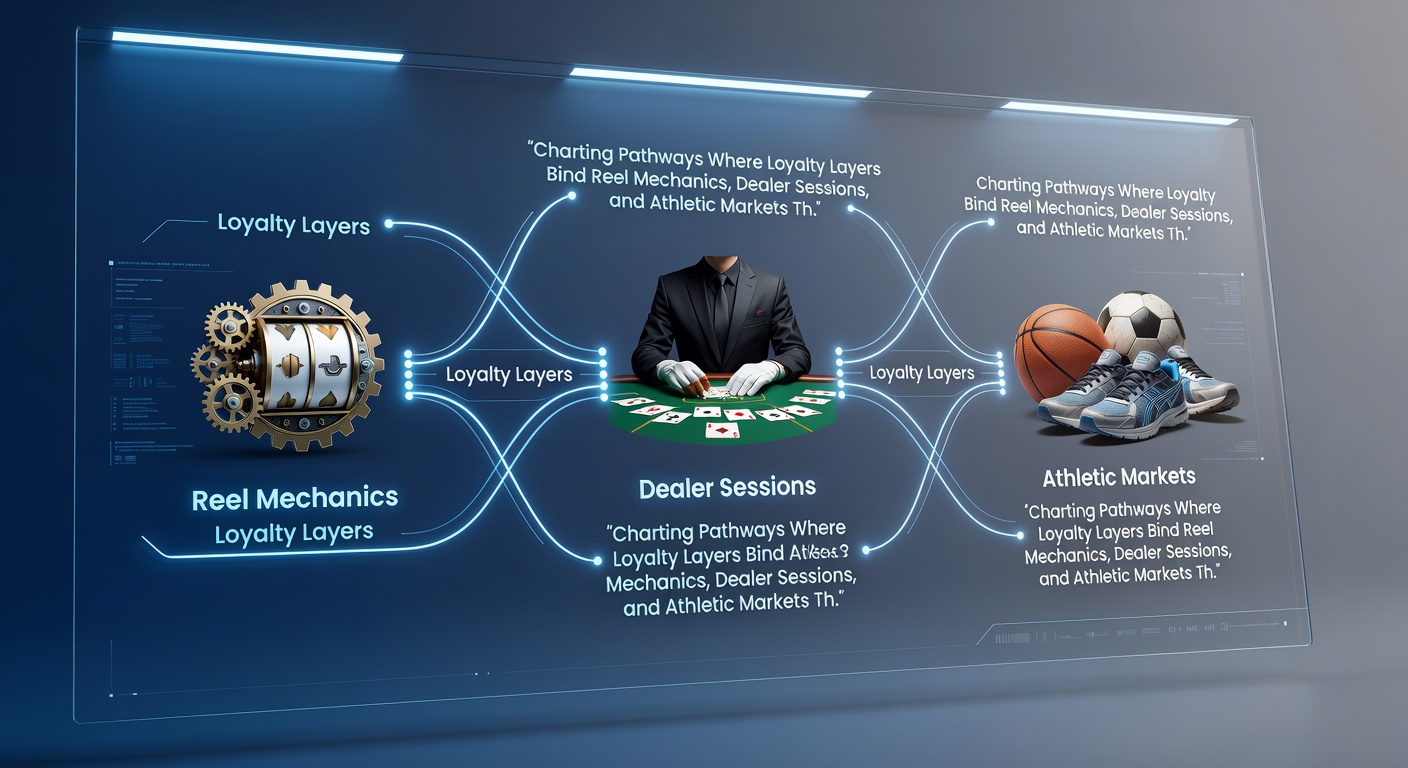
In June 2026 several operators introduced updated loyalty dashboards that display real-time projections for tier status based on pending athletic market outcomes combined with scheduled dealer sessions, and these interfaces draw directly from portable transaction logs to forecast point totals. The American Gaming Association published an analysis that month showing how such predictive displays correlate with longer average session durations across integrated platforms.
Developers incorporated machine learning modules that adjust reward offers according to individual transaction patterns, which allows the system to suggest slot bonuses immediately after a sports bet settles or to propose live dealer entry after reel activity reaches certain thresholds. Data indicates these adjustments occur without manual intervention because the portable transaction flows feed continuous streams into the analytics engines.
Geographic Variations in Implementation
European markets outside the United Kingdom have tested similar loyalty bindings with varying emphasis on regulatory reporting requirements, whereas Australian frameworks focus more on responsible gambling limits that cap point accumulation rates across categories. The Malta Gaming Authority released guidance in 2025 that outlined minimum standards for transaction transparency in multi-product loyalty programs, and operators there now publish periodic summaries detailing how points move between reel mechanics and athletic markets.
North American examples demonstrate faster adoption of mobile-first designs because existing sports betting infrastructure already supports high-volume portable transaction flows, and these systems extend naturally to live dealer and slot environments. Case studies from operators in New Jersey show that unified loyalty layers increased retention metrics by linking daily login rewards to activity across all three categories rather than treating them as separate verticals.
Technical Requirements for Seamless Binding
Successful implementations depend on standardized data formats that allow loyalty engines to read transaction details from slots, dealer interfaces, and sports books without custom adapters for each product, and portable payment providers supply the common rails that carry both funds and metadata. Studies conducted by university research groups have examined latency issues that arise when thousands of simultaneous mobile transactions update shared loyalty ledgers, and findings emphasize the need for distributed database architectures.
Security layers incorporate tokenization so that each portable transaction carries encrypted identifiers rather than full account details, which protects player information while still permitting the loyalty system to credit the correct tiers. Operators maintain audit trails that regulatory bodies in multiple regions can review to verify that point allocations match actual activity across reel mechanics, dealer sessions, and athletic markets.
Conclusion
The pathways created by loyalty layers that bind reel mechanics, dealer sessions, and athletic markets through portable transaction flows continue to evolve as operators refine synchronization methods and as regulators establish clearer guidelines for cross-product transparency. Evidence from licensing reports and industry analyses demonstrates measurable shifts in player behavior when these connections operate without friction, and the technical foundations built around mobile payment infrastructure provide the basis for further expansion in coming periods.